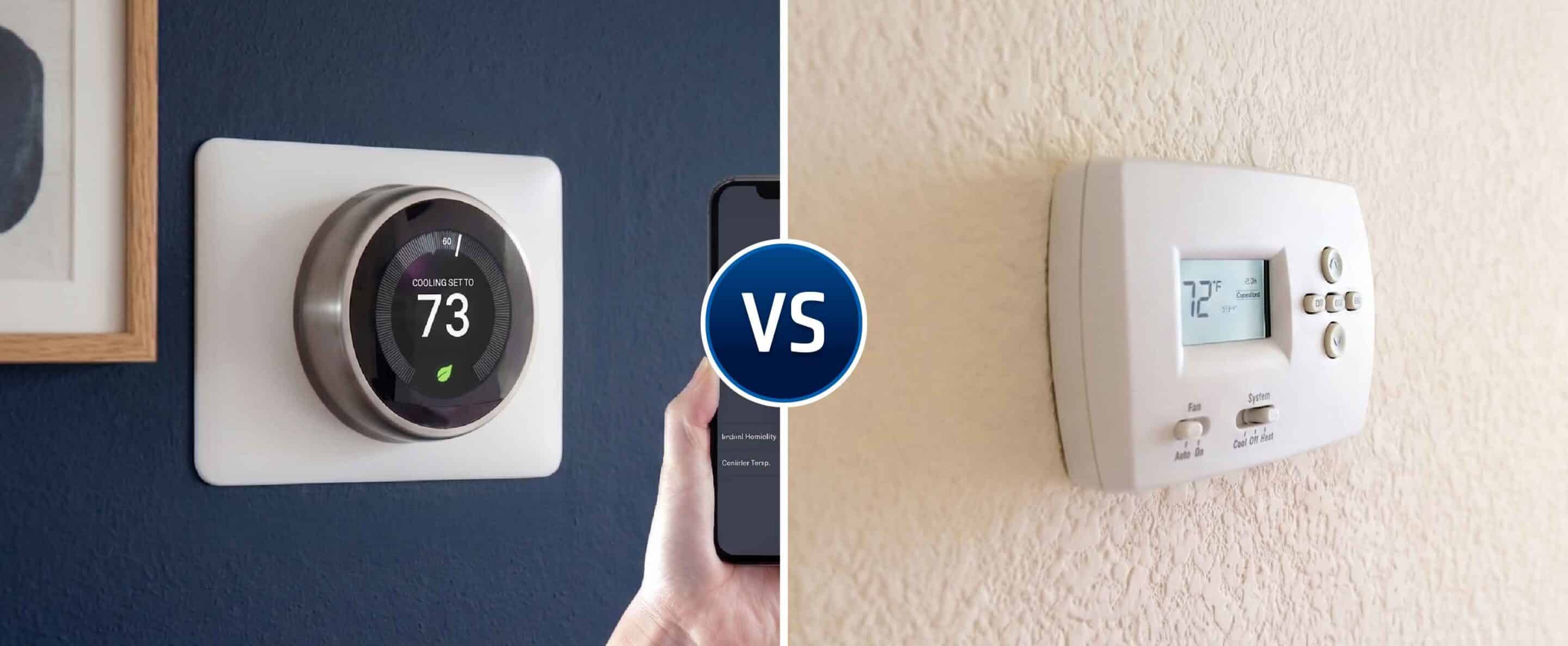
When it comes to home comfort, few devices play a bigger role than your thermostat. It acts as the control center for your heating and cooling system, determining how comfortable your home feels throughout the year and how much you spend on energy bills.
For decades, homeowners relied on traditional thermostats to control their furnaces and air conditioners. Today, however, smart thermostats have transformed the way we interact with our HVAC systems. With advanced features such as remote access, learning capabilities, energy reports, and smart home integration, many homeowners are wondering whether it’s worth upgrading from a regular thermostat. The answer depends on your home, lifestyle, and comfort goals.
What Is a Regular Thermostat?
A regular thermostat, often called a conventional or non-smart thermostat, is a device that allows you to manually control the temperature inside your home. Manual thermostats require homeowners to physically adjust the temperature whenever they want the home warmer or cooler. Programmable thermostats allow homeowners to create schedules based on the time of day and day of the week.
What Is a Smart Thermostat?
A smart thermostat is an advanced thermostat that connects to your home’s Wi‑Fi network and allows you to monitor and control your HVAC system remotely using a smartphone, tablet, or computer. Many smart thermostats can learn your habits, detect occupancy, monitor weather conditions, and optimize system performance automatically.
Key Differences Between Smart and Regular Thermostats
1. Remote Access
Smart thermostats allow homeowners to adjust temperatures from anywhere using a mobile app.
2. Energy Efficiency
Smart thermostats automatically optimize settings to reduce energy consumption and utility costs.
3. Learning Capabilities
Many smart thermostats learn your daily routine and make adjustments automatically.
4. Energy Reports
Smart thermostats provide detailed energy reports that help homeowners understand usage patterns.
5. Smart Home Integration
Many smart thermostats integrate with Amazon Alexa, Google Home, Apple HomeKit, and other smart devices.
Smart Thermostats and Modern Heat Pumps
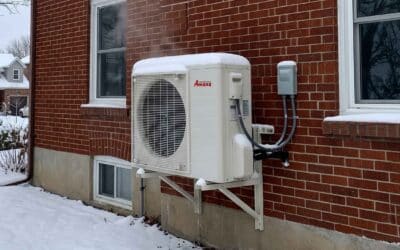
Not all smart thermostats are created equal. Modern communicating inverter heat pumps often perform best when paired with their manufacturer’s communicating thermostat. These systems can make hundreds of small adjustments throughout the day to maximize efficiency and comfort.
Advantages of Smart Thermostats
• Remote access
• Improved energy efficiency
• Better comfort control
• Smart home integration
• Energy usage reporting
• Learning technology
• Maintenance reminders
Advantages of Regular Thermostats
• Lower upfront cost
• Simplicity
• Reliability
• Easy operation
Which Thermostat Saves More Money?
In most homes, a properly configured smart thermostat will save more energy than a traditional thermostat because it continuously optimizes system operation.
Final Thoughts
Traditional thermostats remain a reliable and affordable solution for many homeowners. But smart thermostats provide advanced technology, greater convenience, remote access, energy monitoring, and automation. The best thermostat is the one that matches your HVAC system, lifestyle, and comfort goals.
Considering an upgrade?
With over 20 years of experience in the HVAC industry, Able Air Conditioning & Heating proudly serves homeowners and businesses in Kitchener, Waterloo, Cambridge, Guelph, and nearby areas. Our award-winning team of licensed technicians is dedicated to providing reliable equipment and service our clients can trust.
Follow us on Facebook and Instagram for expert tips, helpful resources, and our latest promotions.